Primary care
Schedule online with one of our providers, dedicated to keeping you and your loved ones healthy.
Measles questions? We're here to help with the latest updates and guidance.
You’ve got the power to be better than yesterday. So get the care you want, the way you want it.
Discover how our specialized services can help you get back to doing what you love.


Use MyBSWHealth to get a personalized care experience.

Find It.
Fight It.

Find It.
Fight It.

The earlier you find it, the more power you have to fight it. And screenings are the best way to detect cancer early, even before you have visible symptoms. Check out the cleats we made for Dak Prescott that show how getting screened helps you see the unseen.
Get screened
If your back hurts, you should get it checked out. Together, we'll map out a clear path forward that keeps you in motion. It’s not complicated.
They’re for the whole crew. We make it easy to stay on top of your health so you can stay on track with your girls. Schedule today in our app.
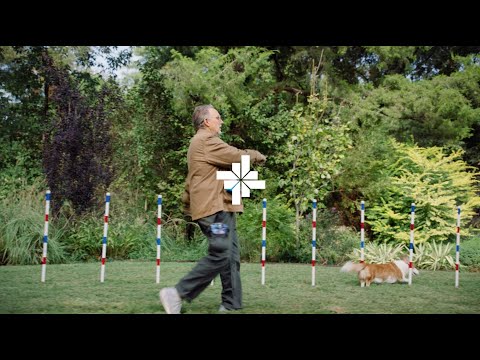
Allergies got you down? You don’t have to jump through hoops to get the virtual care you need right now. It’s not complicated.
Get back to your happy place with a long-term plan that helps you keep your cool. It’s not complicated.
When you have the flu or a cold, body aches and chills can make even the simplest tasks feel exhausting. The good news? There are simple, effective ways to find relief and help your body bounce back faster.